Editorials

Research to Policy is our monthly publication that attempts to take our beliefs on early childhood development through three stages: research (scientific evidence), practice (personal experiences), and policy (community-adopted change) in order to raise the number of children who beat the odds in Memphis and strengthen our shared future as a community.

Taste and Smell: The Foundation to Healthy Nutrition

As the parent of a child who lives on grilled cheese sandwiches and chicken nuggets, developing healthy eating habits in children has always been a mystery to me. Nutritionists tell us that the senses of taste and smell are developing even in the womb, and parents can begin to support their children's nutritional health by eating a healthy diet throughout their pregnancy, and by breastfeeding – whenever possible – for at least six months.

Seeing the Importance of Vision Development

According to the U.S. Centers for Disease Control and Prevention (CDC), vision problems are the single most prevalent disabling condition among American children. By the time they reach school, a quarter of American children suffer from a vision problem. This means that almost 12.5 million school-age kids may be unable to see the blackboard.

The Promise and the Peril of Early Childhood Brain Development

In a recent article in The New York Times, Nicholas Kristof reported on a landmark policy statement just issued by the American Academy of Pediatrics, the leading association of American pediatricians. Based on several decades of scientific research, the Academy has identified “toxic stress” as the most widespread peril facing young children. What does this mean? Exposure to high levels of toxic stress early in childhood has been shown to result in a range of poor physical, social, emotional and cognitive outcomes.

Chaos and Violence in Early Childhood Can Have Lasting Negative Effects

Last week, Memphis hosted the 57th annual Tennessee Association for the Education of Young Children conference. Early childhood educators, researchers and clinicians from across the state came together to learn about early brain development, best practices in early childhood education, and child development from experts in a broad range of fields.

The Class of 2025 Starts Kindergarten

These last few weeks, the 8,000 members of the Class of '25 took their first tentative steps along their journey into school, toward high school graduation and beyond. Today, they’re just five years of age, and are learning about cubbies and backpacks, kindergarten schedules, and successfully navigating naptime. But in little more than a dozen years, these same kids will be newly minted high school graduates.

Peer Relationships and Play Encourage Healthy Development

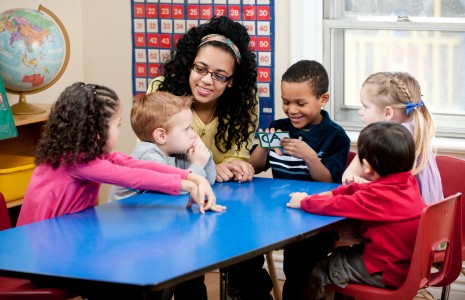
Play is part of the fundamental learning process of childhood, and playing with other children helps a child develop the social skills necessary for living and working with others as they make their way through life. Through play and engagement with others, children make critical connections in their developing brains.

Pages